

This has been, without exaggeration, one of the most significant years in the history of the UFO—sorry, UAP—phenomenon. From congressional hearings featuring military whistleblowers to explosive documentaries landing on Amazon Prime, the once-fringe topic of unidentified aerial phenomena has firmly planted itself in the mainstream conversation. The stigma hasn't entirely vanished, mind you, but it's certainly taken a beating.
So let's take stock, shall we? Here are the major advances in UAP disclosure throughout 2025—the moments that pushed us closer to whatever truth lies waiting in those classified files.
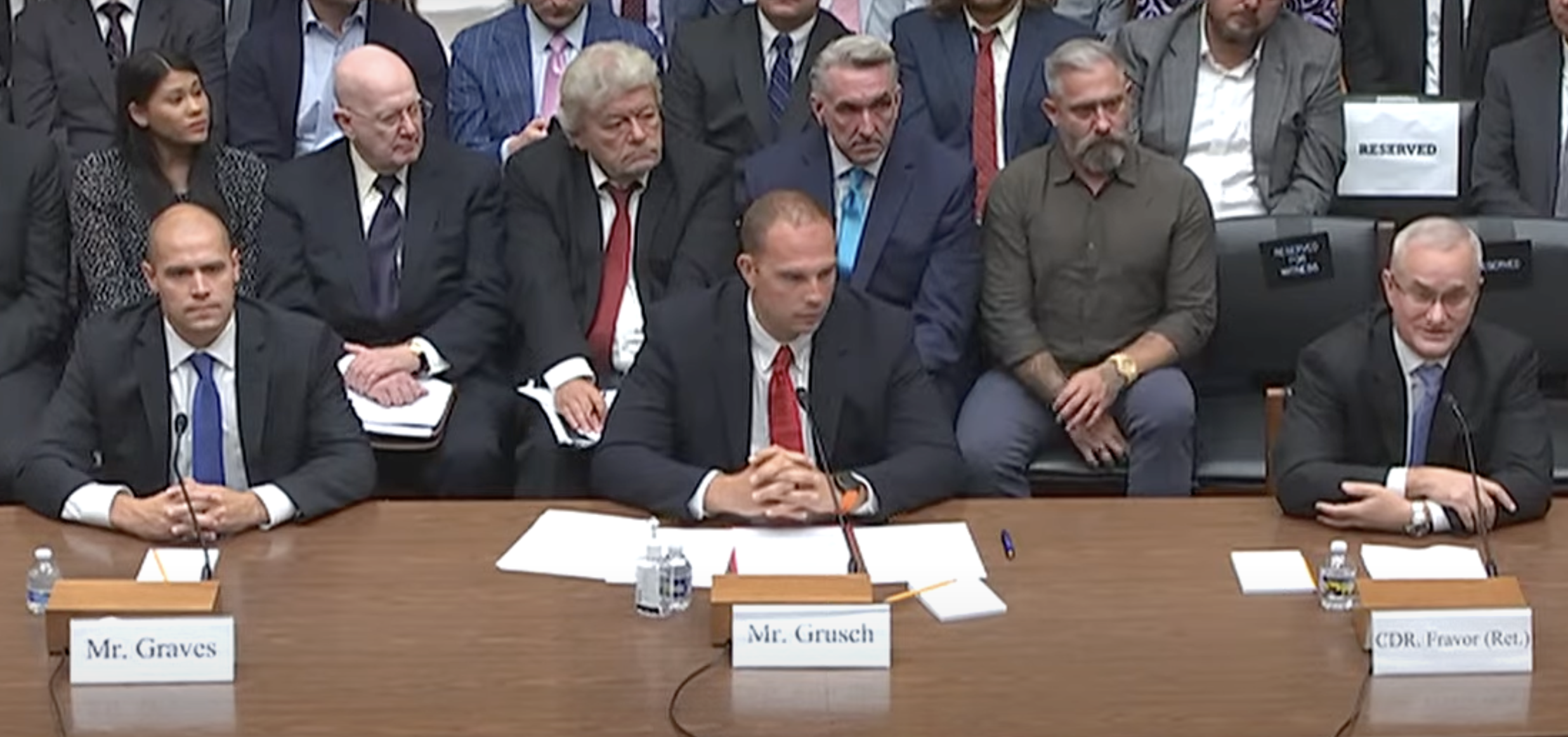
On September 9th, the House Oversight Committee's Task Force on the Declassification of Federal Secrets held a hearing with the rather ambitious title "Restoring Public Trust Through UAP Transparency and Whistleblower Protection." And unlike some congressional hearings that feel more like theatre than substance, this one delivered actual testimony from people who'd been there.
U.S. Air Force veteran Jeffrey Nuccetelli told lawmakers that what he witnessed "changed our lives—the way we think about everything." Chief Alexandro Wiggins, another witness, made a simple but powerful point: "Reporting without stigma, protection without retribution. Sailors need to know that reporting UAP encounters will not harm their careers."
The legendary UAP journalist George Knapp, who's been covering this beat longer than most of us have been paying attention, testified about the decades of dismissal and ridicule faced by those who've tried to speak up. The message from Congress was clear enough: if we want the truth, we need to protect the people brave enough—or foolish enough, depending on your perspective—to come forward.
This wasn't just talk, either. Representatives Tim Burchett and Anna Paulina Luna introduced the UAP Whistleblower Protection Act, designed specifically to shield federal personnel who disclose information about taxpayer funds being used to study UAP material. It's one thing to say whistleblowers should be protected; it's quite another to codify it in law.
The UAP Disclosure Act—originally introduced in 2023 by Senators Chuck Schumer and Mike Rounds—continued its somewhat tortured journey through Congress in 2025. In August, Representative Eric Burlison submitted a version as an amendment to the FY 2026 National Defense Authorization Act.
The goals remain ambitious: create a UAP Records Collection at the National Archives, establish an independent review board to oversee declassification, prohibit the destruction of UAP records, and require public disclosure within 25 years unless the President certifies a clear national security reason for delay. It's modelled on the successful JFK assassination records framework, which frankly makes a lot of sense.
"For too long, Americans have been left in the dark about UAP. This amendment ensures these records are preserved, reviewed, and responsibly released to the public. Sunlight is the best disinfectant, and the American people deserve the truth."
—Rep. Eric Burlison
The act hasn't passed—not yet, anyway—but the bipartisan support behind it tells you something. This isn't just one party's pet project. When you've got senators from both sides of the aisle pushing for disclosure, it suggests we're approaching a kind of critical mass in terms of political will.
The Pentagon's All-Domain Anomaly Resolution Office—AARO, because everything needs an acronym these days—made some genuine efforts toward transparency in 2025, even if skeptics remain...well, skeptical.
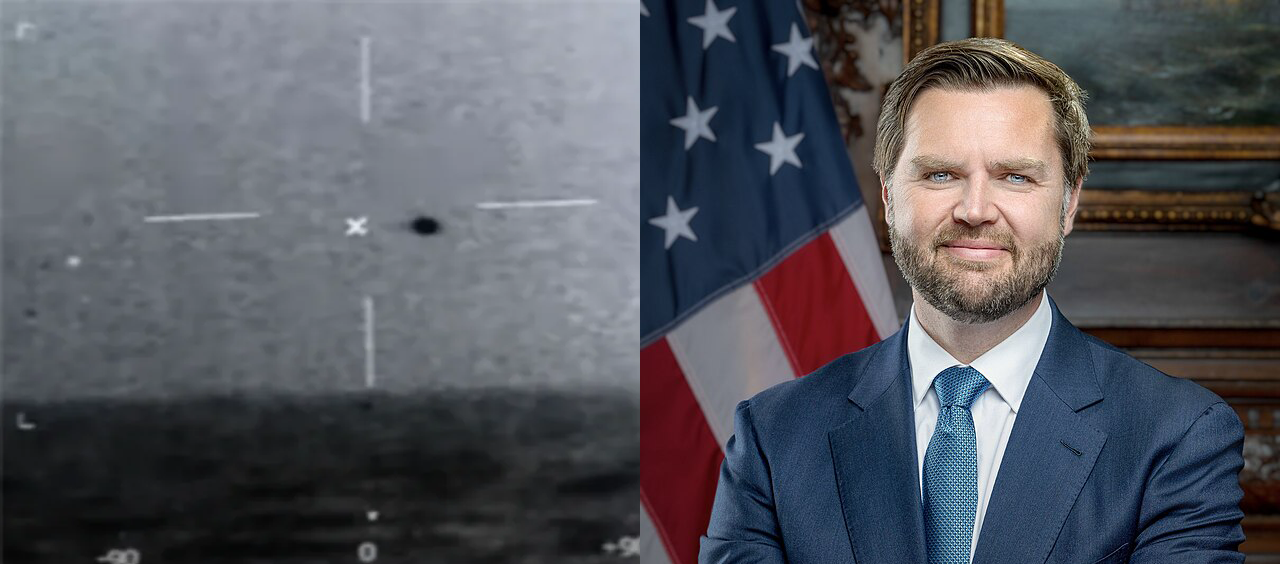
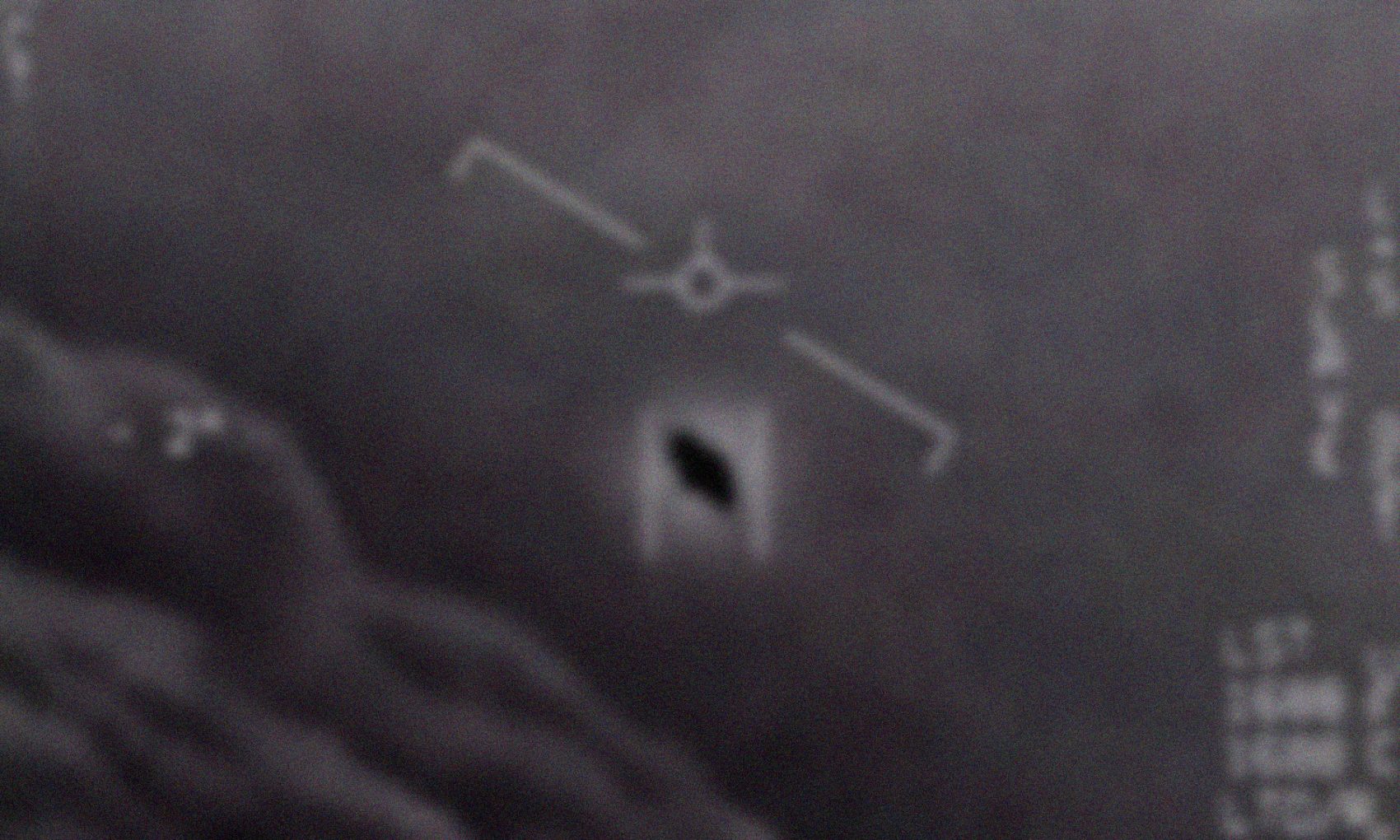
Under new director Jon Kosloski, who took over in late 2024, the office announced it was hiring additional personnel and investing in automated security review software to help declassify more UAP-related video footage. In February, AARO released its analysis of the famous "Go Fast" video, concluding it was likely a balloon affected by parallax—a determination that satisfied some but left others unconvinced.
The office also began seeking contractors for a custom case management system to handle its growing caseload of UAP reports. By mid-2025, AARO had received more than 1,600 reports since its inception, with hundreds still under investigation. Most, predictably, turned out to be balloons, drones, or other prosaic explanations. But not all of them. Never quite all of them.
Kosloski told reporters that AARO is "trying to get as much of the raw evidence out as we can without putting our partners' equities at risk." Whether you believe that effort is genuine or just carefully managed public relations probably depends on how much faith you have in Pentagon transparency to begin with.
In April, something rather significant happened that didn't get nearly enough attention: the National Archives officially launched its Unidentified Anomalous Phenomena Records Collection, as mandated by the 2024 National Defense Authorization Act.
Now, before you get too excited, this isn't the smoking gun repository some were hoping for. The collection includes declassified files from the Department of Defense, Office of the Director of National Intelligence, and other agencies—records that agencies were required to identify and transfer by September 30th, 2025. It's a start, at least. A public, searchable archive where anyone can dig through decades of official UAP documentation.
Secretary of State Marco Rubio even showed up at the National Archives at College Park in April, which tells you something about the level of seriousness now attached to this issue. Whether the most interesting documents made it into the collection or remain locked away in more secure facilities is, of course, another question entirely.
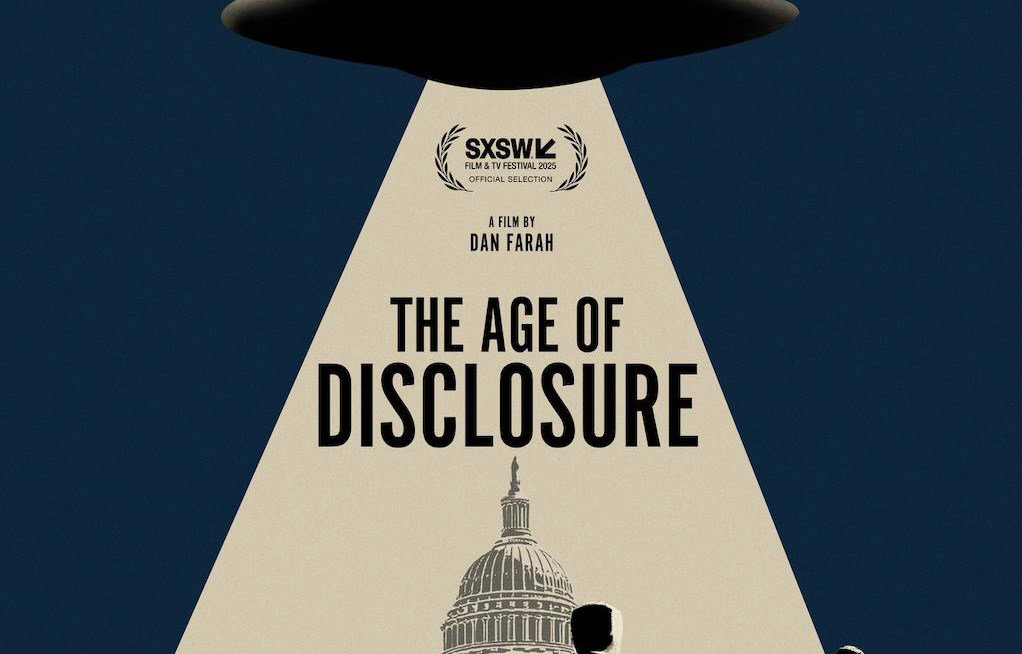
In November, filmmaker Dan Farah's documentary "The Age of Disclosure" hit Amazon Prime Video, and honestly, it's hard to overstate how significant this release was. Not because it necessarily proved anything—we're still waiting on that front—but because of who appeared in it.
Farah didn't rely on anonymous sources or grainy footage shot on someone's phone. He interviewed 34 current and former senior members of the U.S. government, military, and intelligence community. Secretary of State Marco Rubio. Senator Kirsten Gillibrand. Former Director of National Intelligence James Clapper. Jay Stratton, who actually ran the government's UAP Task Force.
These aren't people hiding in shadows. They put their names and reputations on the line to discuss what Farah describes as an "80-year global cover-up of non-human intelligent life." Bold claim? Absolutely. But when a film making that claim features a sitting Secretary of State discussing bipartisan support for UAP disclosure, you can't simply dismiss it as conspiracy theorist nonsense anymore.
"I think it's only a matter of time before the release of this film is followed by a sitting president stepping to the podium and telling the world, 'We're not alone in the universe.'"
—Dan Farah, director
The timing was rather interesting too—arriving just as Hollywood's interest in the UAP topic seems to be intensifying again. Whether that's coincidence or coordination is anyone's guess.
President Trump's second term brought renewed speculation about UAP disclosure, particularly after he signed an executive order in January to declassify documents related to the JFK, RFK, and MLK assassinations. Senator Schumer promptly urged him to extend the same treatment to UAP files, pointing out the bipartisan support for transparency.
Trump has been characteristically mercurial on UFOs. He's called himself a skeptic ("It's never been my thing, I have to be honest"), but he's also hinted he knows more than he's saying. On the Joe Rogan podcast in 2024, he said he'd be willing to push the Pentagon to release more footage. Whether that translates to actual policy remains to be seen.
More interesting, perhaps, was the speculation—unconfirmed, mind you—that Trump had tasked Director of National Intelligence Tulsi Gabbard with investigating UAP issues. Anonymous sources told various outlets that the administration was considering significant disclosures, though nothing concrete materialised by year's end.
Some advocates believe Trump might be uniquely positioned to drive disclosure forward, if only because he seems to enjoy disrupting established systems. Others suspect it's all talk. By December 2025, we still didn't have the presidential podium moment Dan Farah predicted. But the fact that serious people are even discussing it as a possibility tells you how far the conversation has shifted.
One of the more explosive revelations—though it technically broke in late 2024—continued to reverberate throughout 2025. In November 2024, journalist Michael Shellenberger testified before Congress about a whistleblower report describing a programme called "Immaculate Constellation."
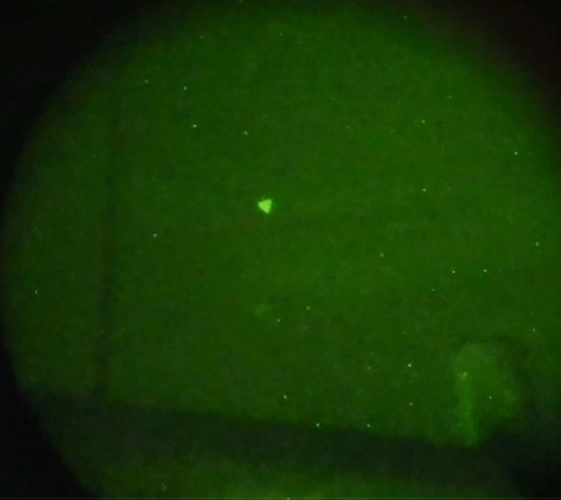
According to the report, this is an Unacknowledged Special Access Programme that's been collecting high-quality imagery and sensor data on UAPs for years, possibly decades, without congressional oversight. The report describes encounters with metallic orbs skimming the ocean surface, triangle-shaped craft hovering above vessels, and even an F-22 being "boxed in" by multiple UAPs during patrol.
The Pentagon's response? Sue Gough, a DoD spokesperson, flatly denied the programme exists: "The Department of Defense has no record, present or historical, of any type of SAP called 'IMMACULATE CONSTELLATION.'"
Which is where things get interesting. Because either the whistleblower is fabricating an elaborate story about a programme that doesn't exist, or the Pentagon is denying something it doesn't want Congress to know about. Neither scenario is particularly comforting, frankly.
The Immaculate Constellation revelations sparked enough concern that lawmakers entered the whistleblower report into the congressional record. Whether it leads anywhere concrete remains to be seen, but it's added another layer of intrigue to an already complex picture.
While the U.S. has been leading the disclosure charge, other nations are beginning to pay attention. Canada launched the Sky Canada Project to study how UAP reports are managed. Members of Parliament in various allied nations have written letters urging their governments to take the issue seriously and cooperate with American investigations.
The reality is that UAP sightings aren't an American phenomenon—they're global. And as the U.S. inches toward transparency, other nations are feeling the pressure to follow suit or risk looking like they're hiding something. It's a bit like dominoes, really. Once one government starts opening its files, the others find it harder to maintain the old party line of "nothing to see here."
Perhaps one of the subtler but more important developments in 2025 was the continued normalisation of UAP discourse in scientific and mainstream media circles. This isn't just fringe websites and conspiracy forums anymore—it's ABC News running serious investigations, NPR covering congressional hearings, and respected outlets treating the topic with actual journalistic rigour.
AARO director Jon Kosloski told reporters that investigators are "trying to get as much raw evidence out as we can," and emphasised the office's openness to meeting with whistleblowers. Whether that openness is genuine or performative, the fact that the Pentagon's UAP office feels compelled to make such statements represents a significant shift from the decades of official denial.
Scientists, too, are beginning to engage more openly. Former NASA officials testified before Congress. Physicists are publishing papers about potential propulsion mechanisms. The stigma isn't gone—not by a long shot—but it's weakening. And that matters, because science thrives on open inquiry, not secrecy and ridicule.
So here's the question we need to ask as 2025 draws to a close: are we actually getting closer to disclosure, or are we just getting better at talking about getting closer?
The optimistic view: we've built the framework for eventual transparency. Congressional oversight is improving. Whistleblower protections are being codified. The National Archives has a dedicated UAP collection. High-ranking officials are speaking on the record. Each piece of legislation, each hearing, each document release chips away at the wall of secrecy.
The skeptical view: we're seeing a carefully managed disclosure process that will reveal just enough to satisfy public curiosity without fundamentally challenging the existing power structures. The really explosive stuff—if it exists—remains locked away in compartmentalised programmes that Congress doesn't even know exist.
The truth, as always, probably lies somewhere in between. What's undeniable is that 2025 represented genuine progress. Not the Hollywood moment of alien ships landing on the White House lawn, but the slow, grinding work of democratic oversight pushing back against decades of institutional secrecy.
Whether 2026 brings us the big revelation or just more incremental steps remains to be seen. But we're closer than we've ever been. And that's something.
It's worth remembering that disclosure, if and when it comes, might not look like what we're expecting. It probably won't be a single press conference where the President announces aliens are real. More likely, it'll be a gradual accumulation of evidence, testimonies, and declassified documents that slowly reshape our understanding of what's been happening in our skies.
We might look back at 2025 as the year the dam began to crack. Or we might look back and realise we were still just talking about cracks while the dam held firm. Either way, it's been quite a year.
And before the skeptics start typing angry comments: yes, extraordinary claims require extraordinary evidence. No, grainy videos and secondhand testimonies aren't proof of alien visitation. But what we're seeing now is something different—a systematic effort to investigate these phenomena using the tools of democratic governance and scientific inquiry rather than dismissal and ridicule.
That alone represents progress. Whether it leads us to little green men, advanced Chinese drones, misidentified natural phenomena, or something stranger still, we'll find out together.
Here's to 2026. May it bring us closer to whatever truth is out there waiting.