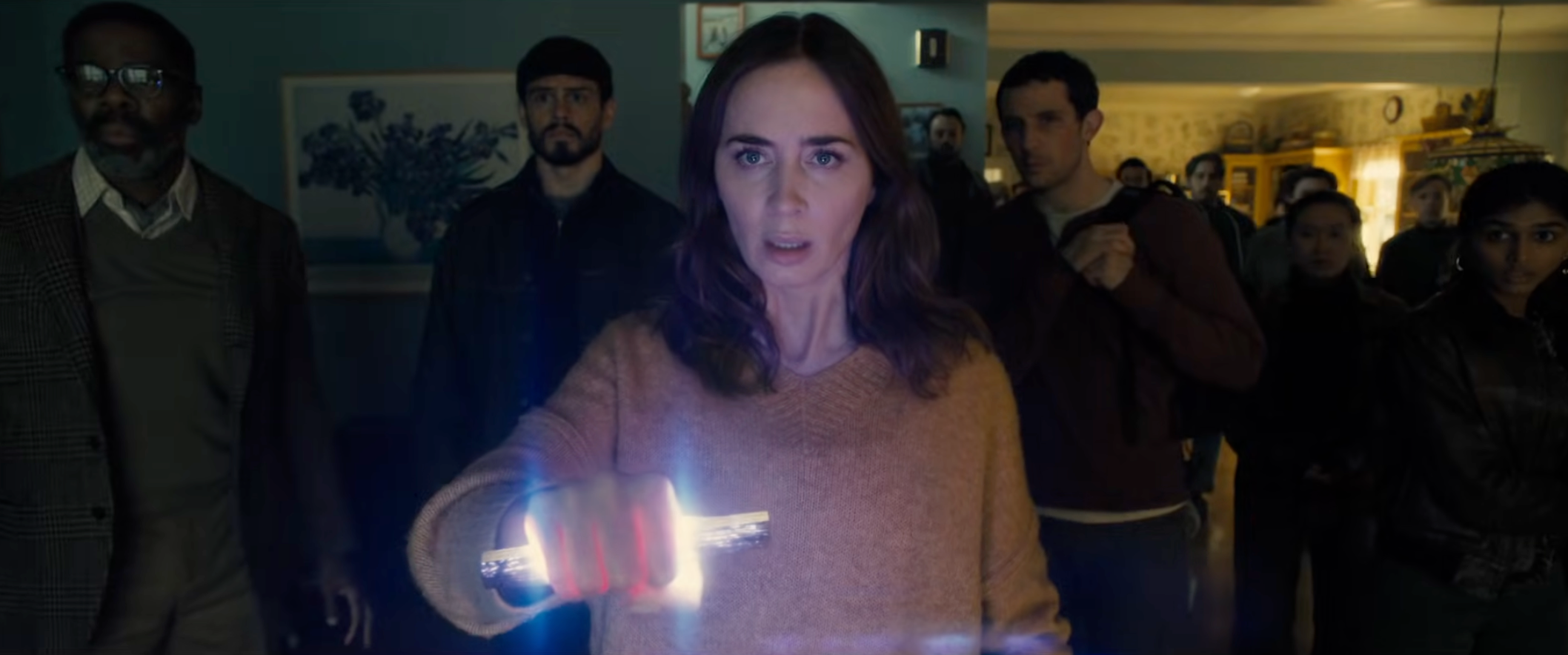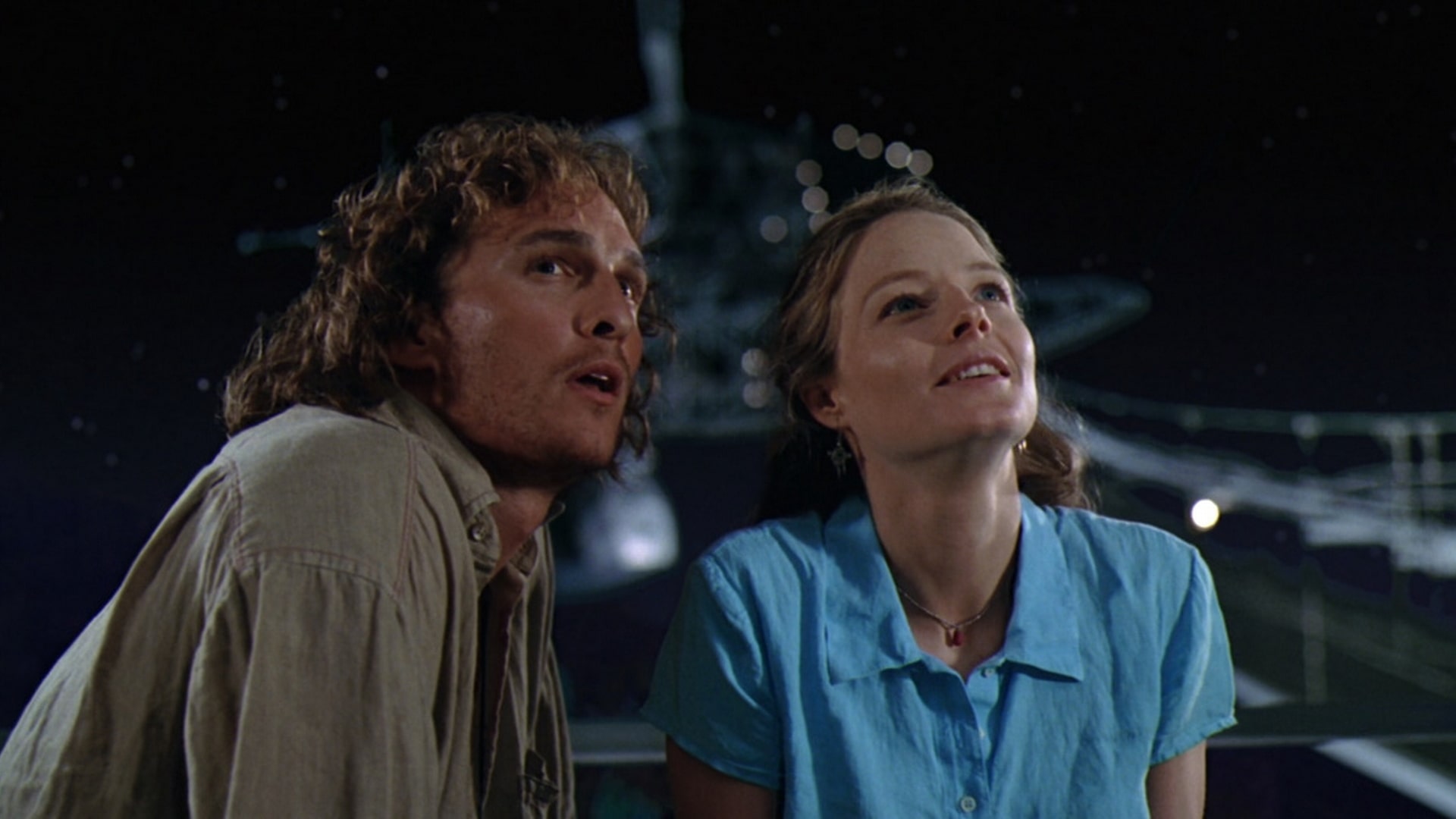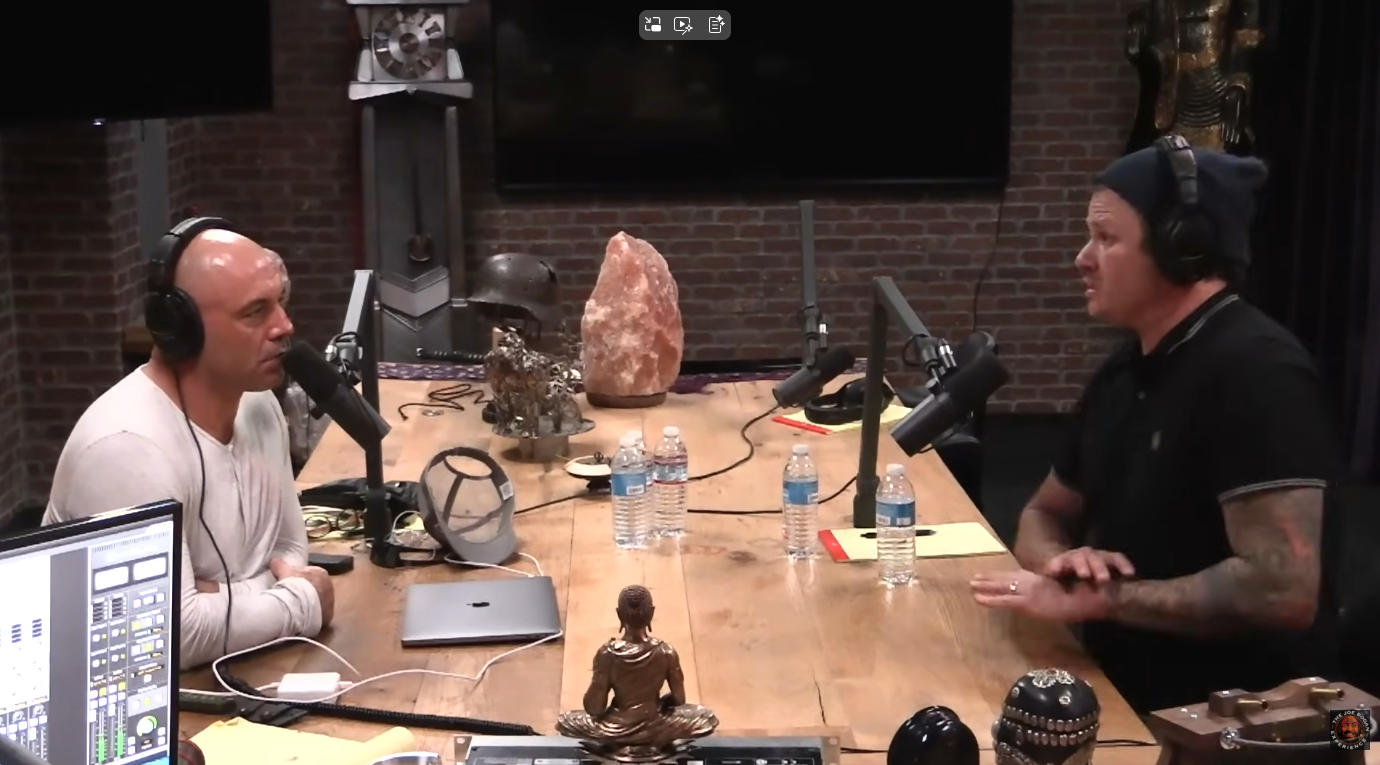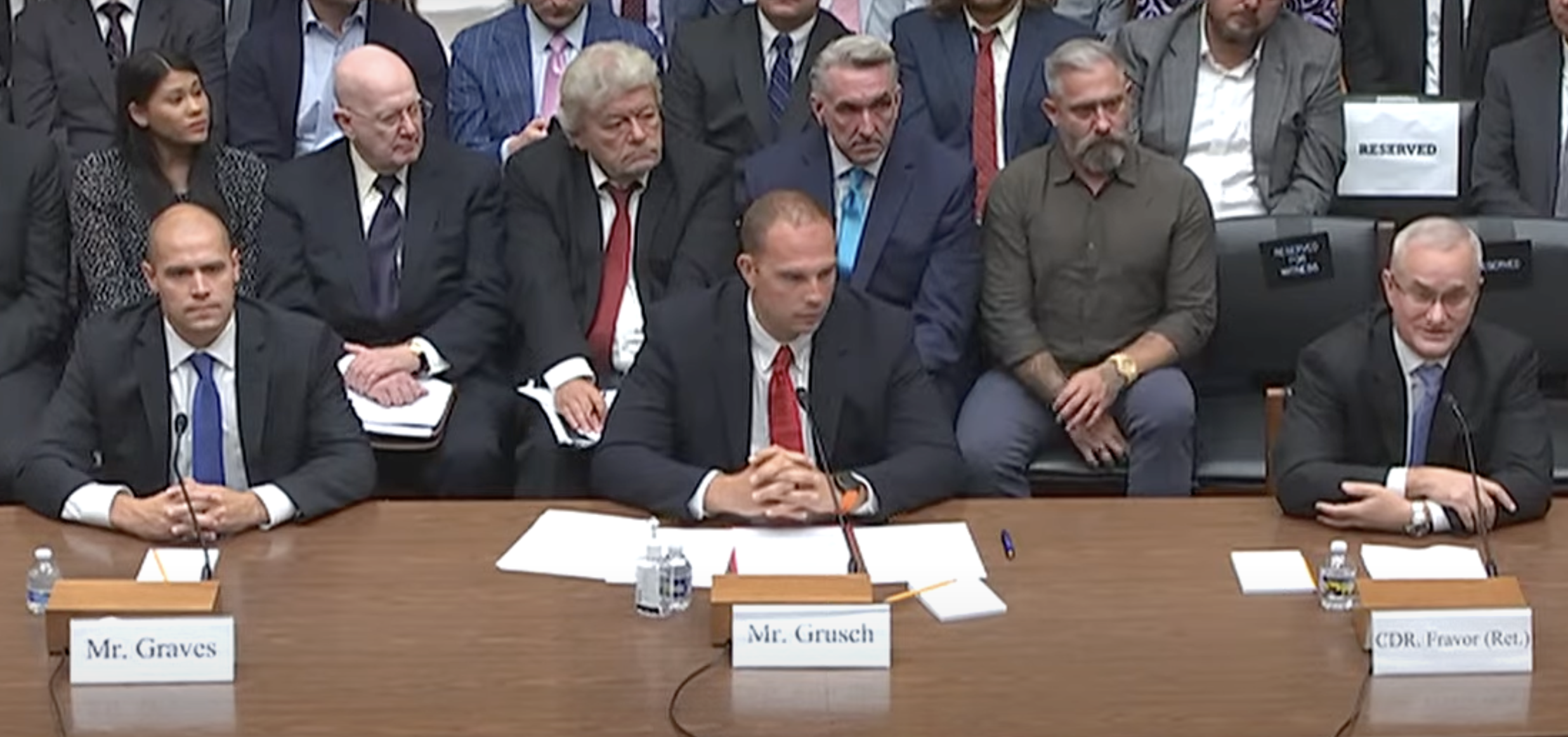


There's something deliciously ironic about Steven Spielberg, the man who practically invented modern UFO cinema, managing to keep his latest extraterrestrial project almost completely under wraps. After months of speculation, cryptic casting announcements, and hushed production reports, the first trailer for Spielberg's mysterious UFO film is set to debut this month—specifically on December 19, attached to screenings of James Cameron's Avatar: Fire and Ash.
And honestly? The timing couldn't be more intriguing.
We're living through what many are calling a pivotal moment in UAP disclosure, with congressional hearings, whistleblower testimonies, and scientific studies all pushing the phenomenon further into mainstream acceptance. Spielberg's return to the genre that made him a household name—Close Encounters of the Third Kind and E.T. the Extra-Terrestrial—arrives just as the real-world conversation about unidentified aerial phenomena reaches fever pitch. He's not the only one to make movies on the well-trodden UAP subject, but he is possibly the most influential.
Coincidence? Perhaps. But knowing Spielberg's history with the subject, probably not.

The film remains officially untitled, though it's been floating around under various working titles including "The Dish," "Non-View," and intriguingly, "Disclosure." That last one raises eyebrows, particularly given the current political climate around UFO transparency—though whether it's the actual title or just production shorthand remains to be seen.
What we do know is that Spielberg wrote the original story himself—his first writing credit since A.I. Artificial Intelligence over two decades ago—and brought in longtime collaborator David Koepp to pen the screenplay. Koepp, who previously worked with Spielberg on Jurassic Park, War of the Worlds, and Indiana Jones and the Kingdom of the Crystal Skull, recently hinted that the film returns to the roots of Spielberg's earlier work.
Which begs the question: does that mean wonder and awe, or something darker?
The cast is properly stellar. Emily Blunt leads as the protagonist, joined by Josh O'Connor, Colin Firth, Eve Hewson, Colman Domingo, and Wyatt Russell. Some of these actors were offered roles without even auditioning—always a sign that the material itself is compelling enough to attract talent on reputation alone.
Principal photography kicked off in February 2025 across multiple locations including New Jersey, Atlanta, New York City, and Huntington, wrapping in late May. Casting calls reportedly sought extras to play MRI technicians, wrestling fans, hotel guests, diner patrons, car drivers, and—rather intriguingly—North Korean soldiers. That's quite the eclectic mix, suggesting a story with considerable scope.
In June 2025, Universal Pictures dedicated a new screening room—the "Steven Spielberg Theater"—and showed select footage to a carefully curated audience. According to reports that inevitably leaked, the preview featured action sequences that were decidedly grounded rather than overtly sci-fi: high-speed chase scenes, mysterious "men in black" style vehicles, and a dramatic car-train crash escape involving Blunt's character.
The footage was described as moody and mysterious, carefully calibrated to build intrigue without revealing the film's hand. No obvious alien spacecraft, no little grey beings—just tension, conspiracy, and danger. It's the sort of approach that suggests Spielberg might be taking a more X-Files route this time around, all government cover-ups and shadowy figures rather than benevolent visitors offering rides on motherships.
Which would make sense. We've had Spielberg's optimistic alien narratives before—Close Encounters and E.T. both presented extraterrestrials as fundamentally benign, if misunderstood. His 2005 adaptation of War of the Worlds flipped that script entirely, presenting alien invasion as a harrowing, traumatic experience framed as allegory for post-9/11 America.
Perhaps this new film occupies some middle ground—less about the aliens themselves and more about what humanity does when confronted with their existence. The secrecy, the cover-ups, the people caught in the machinery of government denial.
In what might be the most emotionally resonant detail, legendary composer John Williams is coming out of retirement—or at least his stated retirement—to score the film. This marks the 30th collaboration between Williams and Spielberg, a partnership that's produced some of cinema's most iconic music.
Williams, now 93, had previously suggested he was stepping back from film composition, making exceptions only for projects that genuinely interested him. The fact that he's returning for this particular Spielberg film speaks volumes about the material. You don't coax John Williams out of retirement for just anything.
The musical elements alone could provide clues about the film's tone. Will we get something ethereal and wondrous like Close Encounters' famous five-note sequence, or something darker and more ominous?
Spielberg's timing is fascinating when you consider the broader cultural moment. The UFO subject has undergone a remarkable transformation over the past few years, shifting from fringe conspiracy theory to legitimate topic of congressional inquiry and scientific study. Whistleblower David Grusch's testimony about alleged crash retrieval programmes, the Pentagon's establishment of the All-domain Anomaly Resolution Office (AARO), and ongoing efforts to compel greater transparency have all normalised discussions that would've been laughed out of polite company a decade ago.
Hollywood, naturally, has taken notice. James Cameron has long harboured interests that extend beyond terrestrial concerns, his deep ocean explorations raising questions about what else might exist in Earth's unexplored frontiers. Other filmmakers are circling similar material, sensing that audiences are primed for stories that take the phenomenon seriously rather than playing it for laughs or cheap thrills.
Spielberg, more than anyone, understands the power of UFO narratives to tap into something primal—our deepest hopes and fears about humanity's place in the universe. His films have always worked on multiple levels: surface spectacle married to genuine emotional resonance, blockbuster entertainment that doesn't insult the audience's intelligence.
If he's returning to this territory after all these years, there's a reason. The question is whether he's responding to the cultural zeitgeist or trying to shape it.
The December 19 release date puts the trailer in prime position to capitalise on massive theatrical audiences. Avatar: Fire and Ash is expected to dominate premium large formats worldwide, and attaching Spielberg's teaser—along with rumoured trailers for Avengers: Doomsday and Christopher Nolan's The Odyssey—ensures maximum eyeballs on these projects.
It's a canny bit of programming. Cameron and Spielberg occupy similar territory as visionary filmmakers who've pushed the boundaries of what cinema can achieve. Both understand spectacle, both know how to balance technical innovation with storytelling that resonates on a human level.
The trailer itself will likely maintain the air of mystery that's surrounded the project thus far. Expect atmospheric shots, glimpses of the ensemble cast, perhaps a fleeting image of something unexplained in the sky. What we probably won't get—at least not in a first teaser—is a clear indication of whether the aliens (if indeed there are aliens) are friend or foe.
Spielberg's too smart a filmmaker to give away the game that early.
Universal Pictures has the film slated for theatrical release on June 12, 2026, planting it firmly in summer blockbuster territory—the exact landscape Spielberg helped create with Jaws back in 1975. It's been described as a "new original event film," studio speak for "this is meant to be a big deal."
"A new original event film"
The June 2026 date positions it early in the summer season, ahead of the typical July 4th tentpoles but late enough to capitalise on school holidays and prime moviegoing weather. It also gives the marketing machine six solid months to build anticipation from the moment that first trailer drops.
The theatrical-only approach is worth noting in an era when streaming has eroded traditional release windows. Spielberg has been vocal about the importance of cinema as a communal experience, and this film appears designed specifically for the big screen—the sort of event that demands to be seen with an audience, preferably in the best format available.
What's remarkable about this entire production is how effectively Spielberg's team has maintained operational security. In an age of constant leaks, set photos shared on social media, and plot details extracted from the most minor sources, this film has remained genuinely mysterious. We don't know the title. We don't know the plot. We barely know the genre beyond "UFO-related."
That level of secrecy isn't accidental—it's curated. Spielberg understands that mystery is itself a marketing tool, that speculation and anticipation can be more valuable than premature reveals. Every casting announcement, every cryptic location report, has fed a growing sense that something significant is in the works.
Whether the film can live up to that building hype remains to be seen. Spielberg hasn't made a straight science fiction film since 2018's Ready Player One, and his recent work—West Side Story and the deeply personal The Fabelmans—has skewed towards more grounded, intimate storytelling. The question is whether he can recapture the magic that made Close Encounters and E.T. not just successful films but cultural phenomena that fundamentally altered how we think about extraterrestrial life.
There's also the challenge of making a UFO film that feels fresh in 2026. The genre has been thoroughly explored over the past five decades, from Spielberg's own contributions to countless imitators, serious contemplations like Arrival, and outright parodies. Finding something new to say requires either a radical shift in perspective or a return to fundamentals executed with such craft that the familiarity becomes comforting rather than stale.
Spielberg, more than most, has earned the benefit of the doubt. His track record speaks for itself, and the calibre of talent he's assembled—both in front of and behind the camera—suggests this is a project he takes seriously.
Perhaps what's most intriguing about Spielberg's return to UFO territory is the timing. We're not just in a moment of renewed public interest in the phenomenon—we're in a moment where the official narrative is shifting, where governments are acknowledging what they previously denied, where serious people are asking serious questions about what's really going on in our skies.
Spielberg has always been remarkably attuned to the cultural pulse. His films don't just reflect the moment they're made in—they often anticipate where we're heading. Jaws tapped into environmental anxieties and humanity's relationship with nature. E.T. arrived during the Reagan era, offering a gentler vision of contact at a time of heightened Cold War tensions. War of the Worlds channelled post-9/11 trauma into a tale of survival against overwhelming odds.
What is this new film responding to? What fears or hopes is it channelling? Is it about disclosure—the revealing of long-hidden truths? Is it about humanity's readiness (or lack thereof) to accept that we're not alone? Is it a cautionary tale about government overreach and the dangers of secrecy?
We'll find out soon enough. Well, in June 2026. Which feels simultaneously very close and impossibly far away.
For those keeping track, the trailer is expected to debut in theatres on December 19, 2025, attached to Avatar: Fire and Ash screenings. Whether it'll be released online simultaneously or held back to drive theatrical attendance remains unclear—though given current marketing practices, an online release within a day or two seems likely.
This being Spielberg, there's also a reasonable chance Universal will strategically leak high-quality footage to selected outlets before the official online release, carefully managing the rollout to maintain maximum control over the narrative.
The film itself hits cinemas on June 12, 2026. Mark your calendars, book your IMAX tickets early, and prepare for what could be—if Spielberg's past is any indication—one of the defining cinematic experiences of the decade.
Or at the very least, a film that finally gives us a proper title to work with.
Steven Spielberg's untitled UFO film stars Emily Blunt, Josh O'Connor, Colin Firth, Eve Hewson, Colman Domingo, and Wyatt Russell. The screenplay is by David Koepp from a story by Spielberg. John Williams composes the score. Universal Pictures releases the film on June 12, 2026.