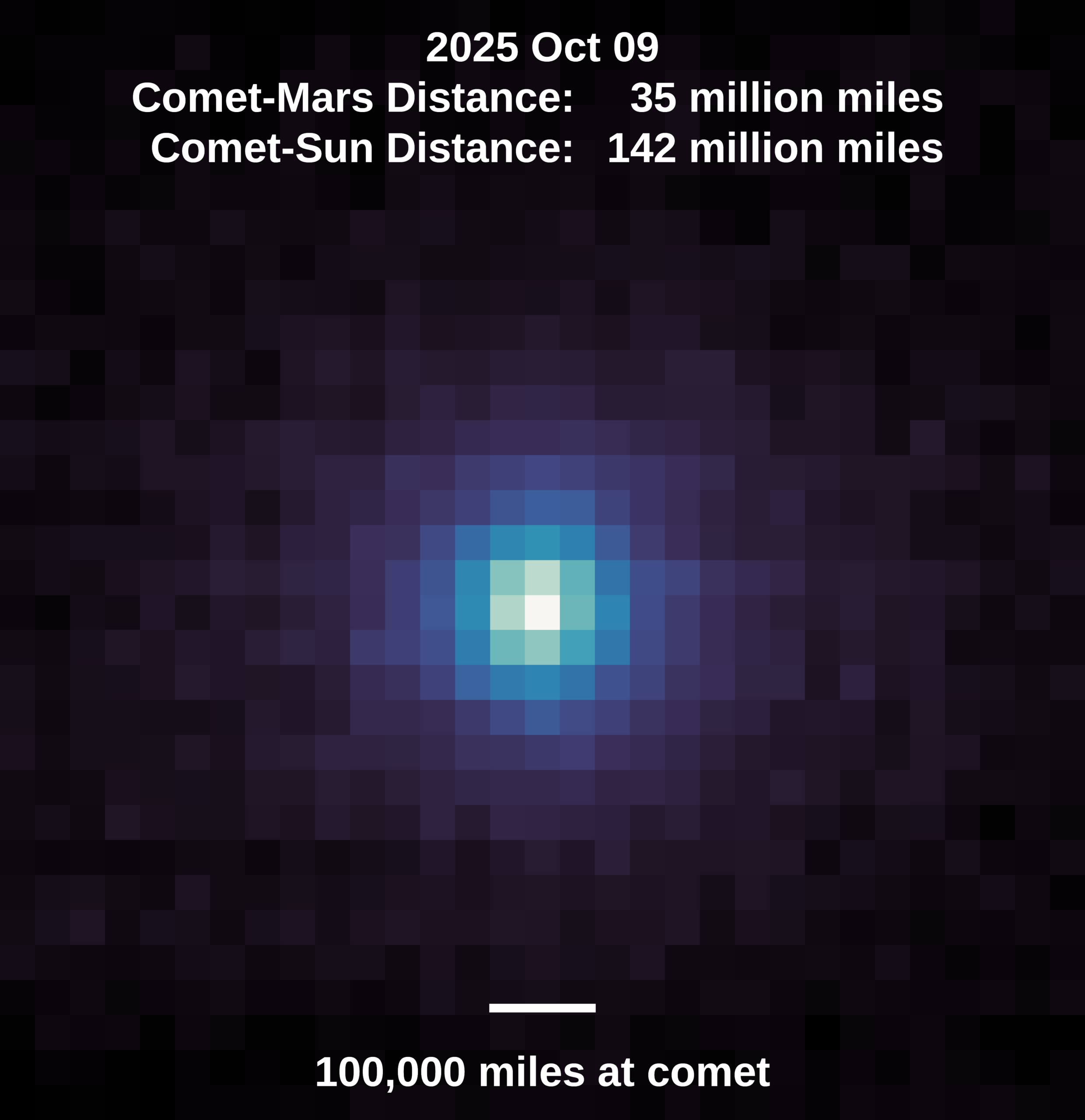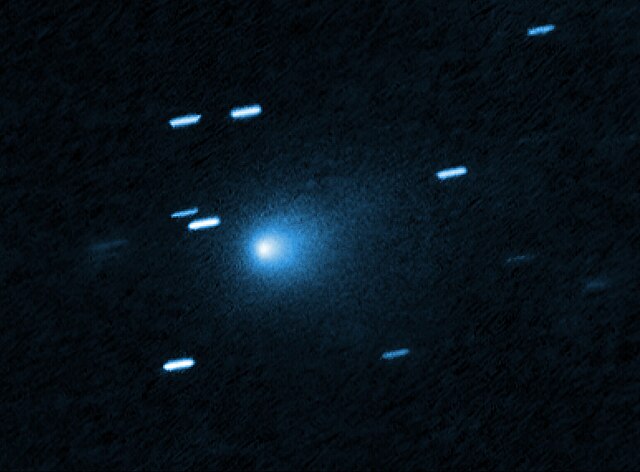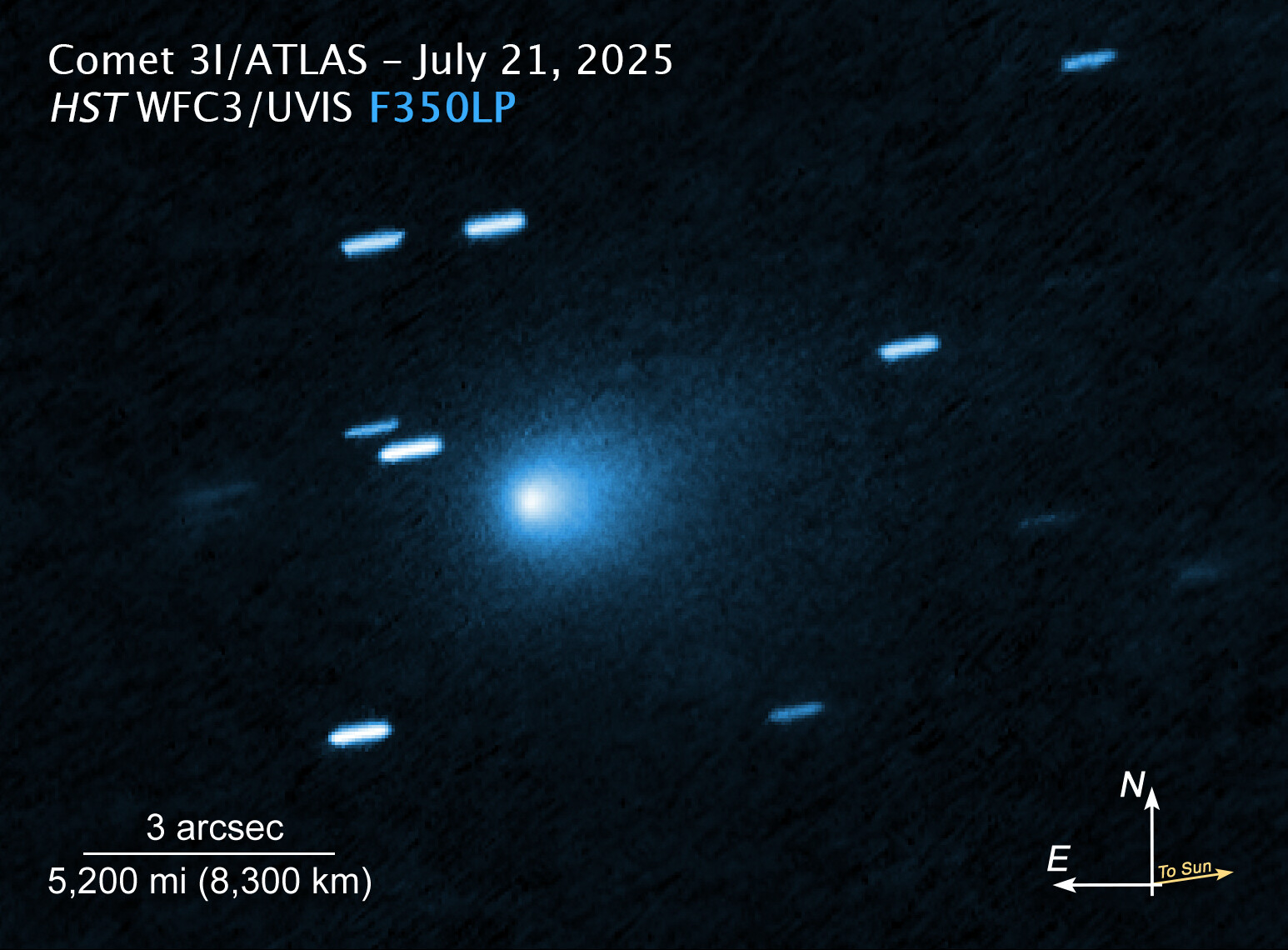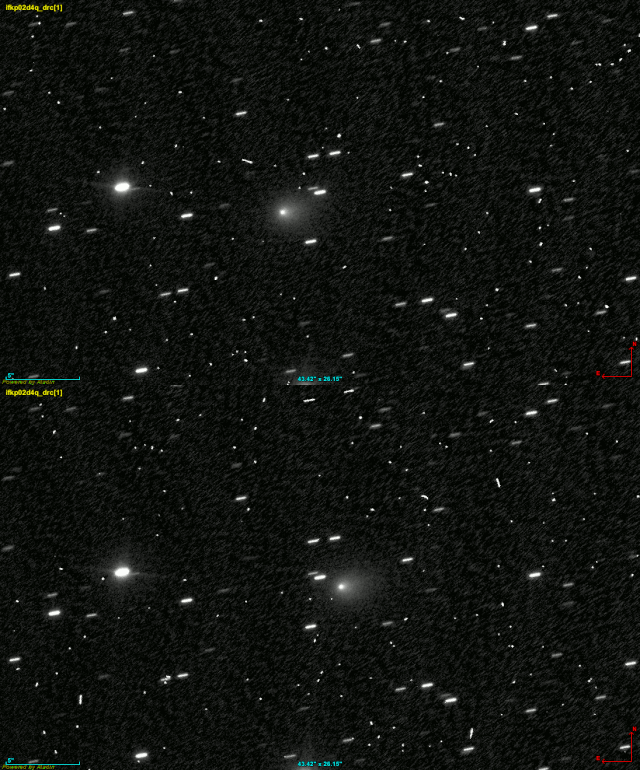


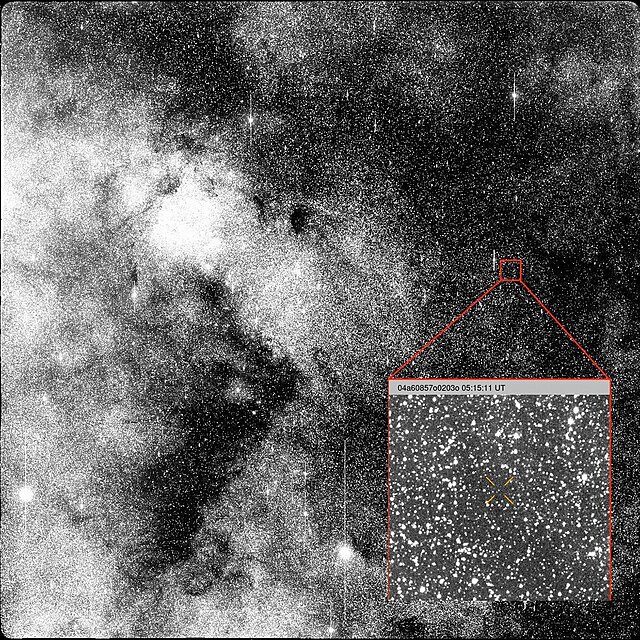
In a groundbreaking discovery, NASA's observations have revealed the presence of water on the ancient interstellar comet 3I/ATLAS. This finding not only provides insights into the composition of this celestial body but also enhances our understanding of the origins of water in our Solar System.
Comet 3I/ATLAS is a unique celestial body that is on a hyperbolic trajectory, indicating that it has entered our Solar System from an entirely different star system. Unlike the typical comets that follow elliptical orbits around the Sun, 3I/ATLAS will not return, making this a rare opportunity for scientists to study a comet from another part of the galaxy.
Discovered in 2019 by the Asteroid Terrestrial-impact Last Alert System (ATLAS), comet 3I is believed to be over 10,000 years old, containing primordial materials that could offer a glimpse into the early universe. As it travels through the Solar System, its path takes it close to the Sun, where it will vaporize some of its icy materials, making them detectable from Earth-based observatories.
The detection of water on 3I/ATLAS is particularly significant as it raises questions about the formation of water in the universe. Water is a critical component for life as we know it, and discovering it on interstellar comets can shed light on how water may have been delivered to Earth and other bodies in our Solar System.
NASA utilized advanced spectroscopic techniques to analyze the light reflected from the surface of comet 3I/ATLAS. By examining the spectrum of light, researchers identified specific signatures that correlate with the presence of water molecules. This method, known as infrared spectroscopy, allows scientists to detect the most subtle components of comets, which are often difficult to study.
Interstellar comets, like 3I/ATLAS, are remnants of the solar system formation process and provide critical information about the materials that existed in the early solar nebula. These celestial objects help scientists piece together the history of our Solar System and understand the characteristics of other planetary systems in the universe.
Scientists are keen to compare 3I/ATLAS with known comets that are bound within our Solar System, such as Comet 67P/Churyumov-Gerasimenko and Comet Hale-Bopp. Analyzing the differences can offer insights into the environmental factors influencing the composition of comets and, consequently, the potential for life elsewhere in the universe.
As comet 3I/ATLAS progresses on its hyperbolic path and moves further away from the Sun, NASA plans to continue monitoring its trajectory and physical changes. Observations will provide additional data on its composition and behavior, vital to understanding similar celestial bodies in the future.
Future missions may include direct investigations of other comets and frozen bodies in space. Involving the James Webb Space Telescope and other advanced instruments, scientists aim to sharpen their focus on the origins of water and organic materials, potentially paving the way for discovering extraterrestrial life.
The confirmation of water on interstellar comet 3I/ATLAS is an exciting step for planetary science and astrobiology. As we continue to uncover the secrets held within these ancient travelers, we move closer to answering fundamental questions about the origins of water, life, and the universe itself. The study of interstellar comets will undeniably enhance our scientific understanding and exploration efforts.
For ongoing updates and detailed research findings, stay tuned to NASA's official resources and follow the exciting developments in interstellar exploration.