

Hollywood's been fascinated with UFO stories for decades, and whilst we've all seen our share of terrible alien invasion schlock, there are some genuinely brilliant films that touch on themes incredibly relevant to the current UAP disclosure conversation. These aren't documentaries – we're talking proper narrative films here – but they each offer something valuable for anyone trying to understand why this subject matters, how humanity might react to contact, and what disclosure could actually mean.
Speaking of which, filmmaker Dan Farah recently explored these very themes in his documentary examining the current state of UAP disclosure, featuring interviews with government officials and military personnel. But whilst documentaries give us the facts, fiction films often help us understand the emotional and philosophical implications of what we're facing.
Here are six films that'll give you a solid foundation without requiring you to don a tinfoil hat.
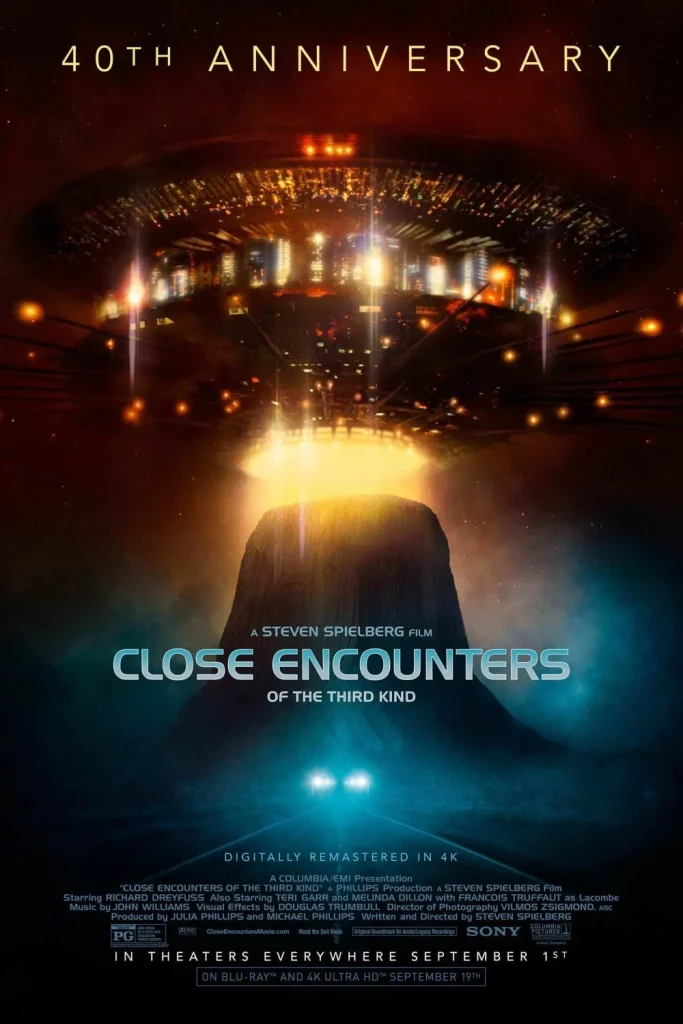
If there's one film that defines cinematic UFO storytelling, it's Spielberg's masterpiece. This isn't just a great alien film – it's the great alien film, and for anyone interested in UAP disclosure, it's absolutely essential viewing.
Richard Dreyfuss plays Roy Neary, an ordinary Indiana electrician whose close encounter with a UFO turns his life completely upside down. The beauty of this film, particularly for disclosure newcomers, is how it portrays both the government response (secretive, coordinated, slightly ominous) and the human response (obsessive, world-altering, impossible to ignore). That mountain everyone keeps seeing in their heads? Genius storytelling.
"What makes Close Encounters so relevant to The Age of Disclosure is its treatment of communication. How would we actually talk to non-human intelligence?"
What makes Close Encounters so relevant to The Age of Disclosure is its treatment of communication. The famous five-note sequence isn't just memorable cinema; it's Spielberg asking: how would we actually talk to non-human intelligence? And interestingly, the film includes subtle hints that governments have known about UAP for years – a theme that's become rather pertinent lately, hasn't it?
The cinematography won an Oscar, and rightfully so. But beyond the technical brilliance, this film captures something essential: the way contact with the unknown might genuinely change someone at a fundamental level. For anyone following recent testimony from military pilots about their UAP encounters, Roy Neary's transformation feels uncomfortably plausible.
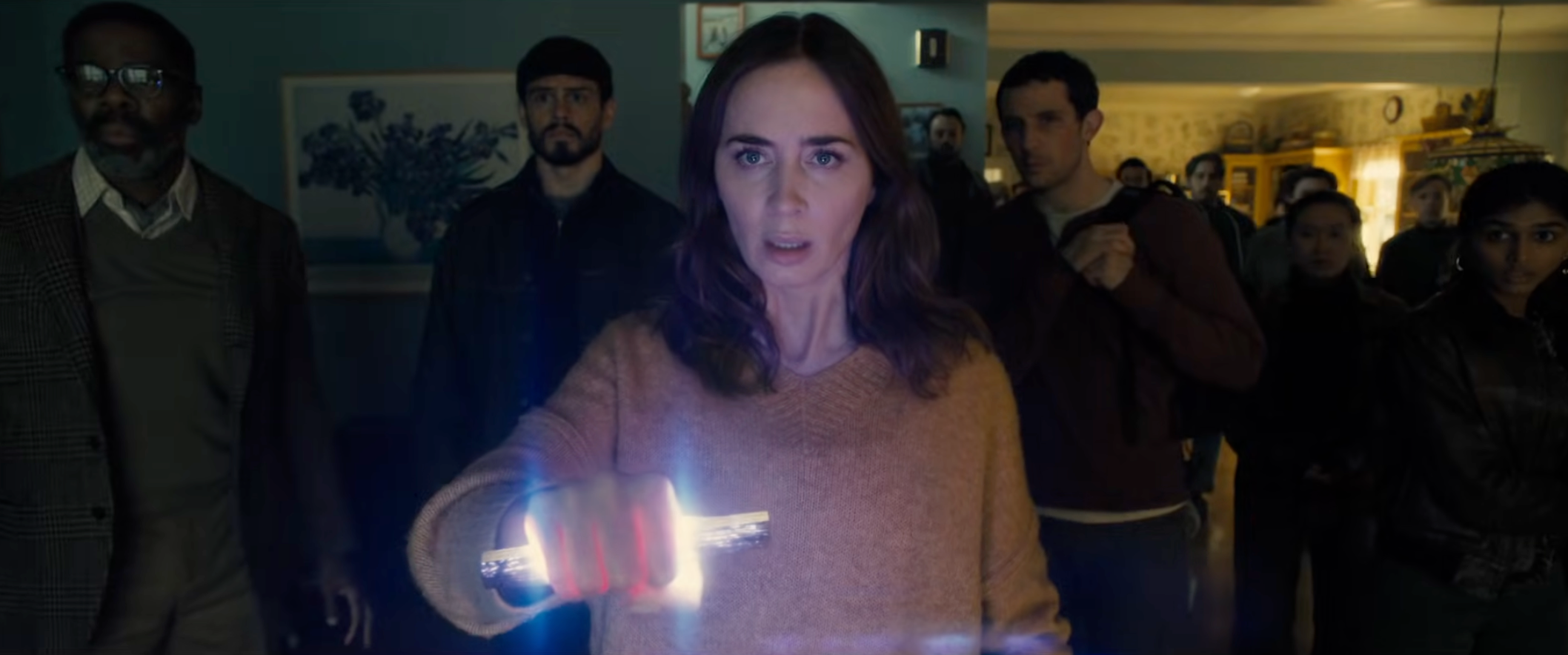
Intriguingly, Spielberg himself is returning to UFO themes with a new project that's generating serious buzz in the UAP community.

Denis Villeneuve's Arrival is the thinking person's first contact film, and if you're approaching UAP disclosure from an intellectual angle, this is your starting point.
Amy Adams stars as Louise Banks, a linguist recruited by the US military when twelve massive spacecraft park themselves at various points around the globe. The central question – how do you communicate with something utterly alien? – becomes a meditation on language, time, and what it means to understand something fundamentally different from ourselves.
Here's why Arrival matters for disclosure-curious viewers: it takes the subject seriously. There's no Will Smith punching aliens, no Independence Day-style heroics. Instead, we get a methodical, realistic portrayal of how governments might actually respond to UAP presence. The international tensions, the pressure to weaponise whatever knowledge is gained, the fear and wonder existing simultaneously – it all feels frighteningly plausible.
"The film suggests that encountering non-human intelligence might fundamentally alter human consciousness. Given some of the stranger elements in recent UAP reports, that doesn't seem quite as far-fetched as it once did."
The film also explores a concept that's increasingly discussed in UAP circles: that contact might change our perception of reality itself, particularly our understanding of time. Without spoiling the twist, Arrival suggests that encountering non-human intelligence might fundamentally alter human consciousness. Given some of the stranger elements in recent UAP reports, that doesn't seem quite as far-fetched as it once did.
Plus, it's beautifully shot, intelligently written, and treats its audience like adults. Which is more than can be said for most sci-fi blockbusters.
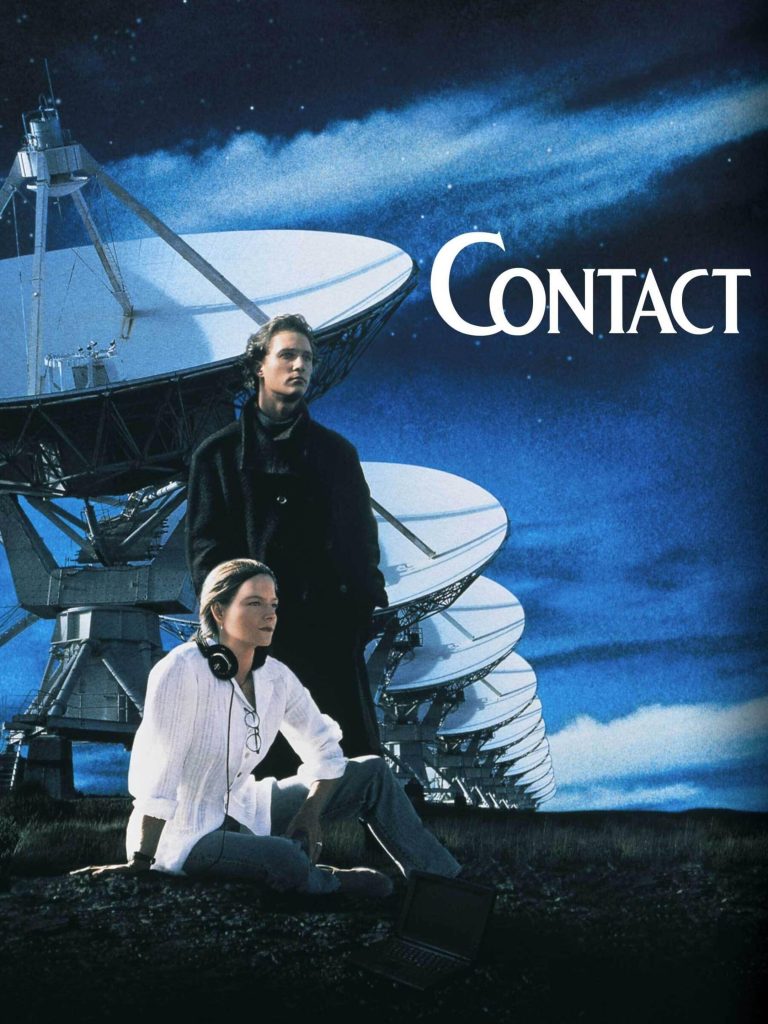
Based on Carl Sagan's novel and starring Jodie Foster, Contact is essentially a love letter to the scientific method wrapped in a first contact thriller. If you're the sort of person who wants evidence and takes a measured approach to UAP disclosure, this film will resonate deeply.
Foster plays Ellie Arroway, a SETI scientist who detects a signal from the Vega star system. What follows is part scientific investigation, part philosophical exploration of faith versus evidence, and part political thriller about who controls first contact. The scenes of governmental manoeuvring and military involvement feel particularly relevant given recent Congressional hearings on UAP.
The film asks uncomfortable questions that remain pertinent today: What if we receive proof of non-human intelligence but can't verify it in ways that satisfy everyone? What if the experience of contact is fundamentally personal and unprovable? These aren't abstract philosophical puzzles anymore – they're central to many UAP witness testimonies.
"Sagan was a brilliant communicator who took the search for extraterrestrial intelligence seriously whilst maintaining scientific rigour. Contact embodies that approach."
Sagan was a brilliant communicator who took the search for extraterrestrial intelligence seriously whilst maintaining scientific rigour. Contact embodies that approach, making it perfect for anyone who's intrigued by UAP disclosure but wants to maintain a healthy scepticism. The film suggests that the truth might be simultaneously more wonderful and more challenging than we imagine.
And that final twist – suggesting a universe far stranger than we comprehend – has aged remarkably well in light of recent discussions about non-human intelligence.
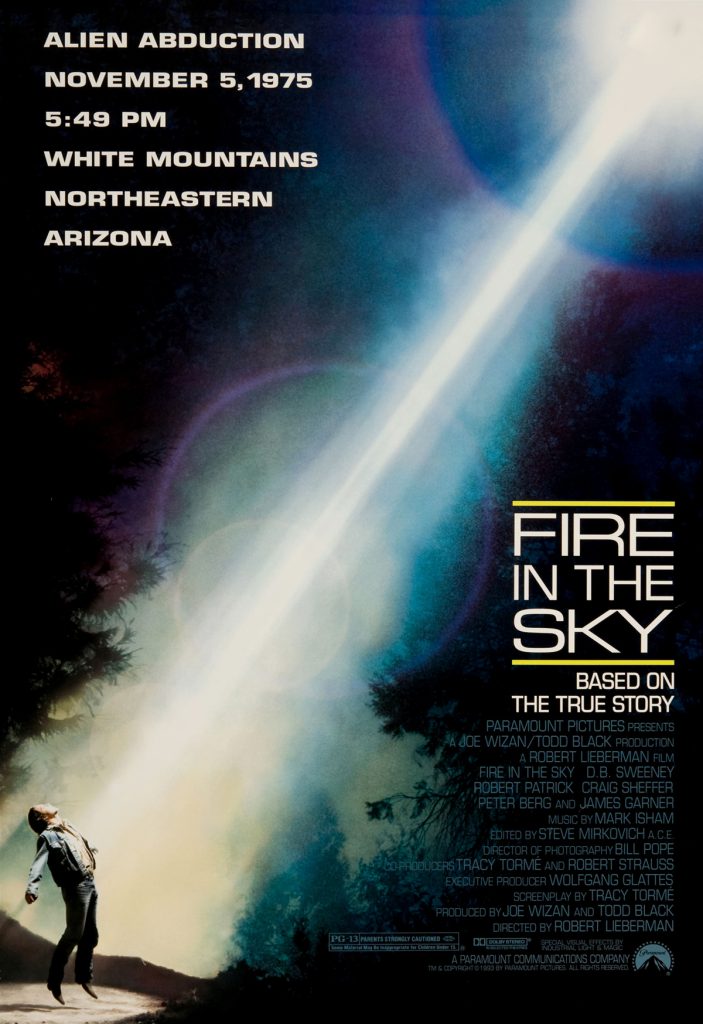
Right, this one's properly unsettling. Based on the Travis Walton incident – one of the most famous alleged UFO abduction cases in history – Fire in the Sky is essential viewing for anyone interested in the stranger aspects of UFO encounters.
The 1975 case saw logger Travis Walton (played by D.B. Sweeney) allegedly disappear for five days after encountering a UFO in the Arizona forest, witnessed by his six co-workers. The film cleverly structures itself as much around the aftermath – the suspicion, the lie detector tests, the media circus – as the abduction itself.
For UAP disclosure newcomers, this film illustrates an uncomfortable truth: even when multiple witnesses see something extraordinary, belief doesn't come easily. The logging crew faces suspicion of murder, ridicule, and personal destruction, despite all passing polygraph tests. Sound familiar? It's exactly what many military UAP witnesses describe experiencing when they come forward.
"Sometimes being a witness isn't about the truth – it's about being believed."
The abduction sequence itself is genuinely terrifying – the filmmakers apparently embellished Walton's actual account to make it more cinematic, which Walton himself has criticised. But the core scenario remains: what happens to ordinary people thrust into an extraordinary situation that nobody wants to believe?
Whether you think Walton's experience was genuine or not, Fire in the Sky captures the social and psychological fallout of UAP encounters in ways that remain relevant to disclosure discussions. Sometimes being a witness isn't about the truth – it's about being believed.

Look, I know what you're thinking. But hear me out.
Yes, Independence Day is ridiculous. Yes, Will Smith punches an alien and then delivers one-liners. Yes, Jeff Goldblum uploads a virus to an alien mothership using a 1996 Mac laptop. But for understanding popular culture's relationship with UFO and UAP disclosure, this film is genuinely important.
Roland Emmerich's blockbuster represents the summer disaster movie at its most gloriously excessive, but it also contains some elements that resonate with current disclosure conversations. Area 51 isn't just acknowledged – it's central to the plot, complete with captured alien craft and bodies. The President is kept in the dark about recovered UFO technology. Sound familiar?
The film also explores what might happen if UAP weren't just observing but actively hostile – a scenario that's caused genuine concern among some military analysts. Whilst the actual portrayal is pure Hollywood fantasy, the underlying anxieties about humanity's vulnerability and lack of preparedness aren't entirely unfounded.
"Independence Day shaped public consciousness about UFOs for an entire generation. Understanding that cultural touchstone helps contextualise why UAP disclosure faces the challenges it does."
More importantly, Independence Day shaped public consciousness about UFOs for an entire generation. For better or worse, when people imagine disclosure, many picture something influenced by this film's blend of government conspiracy and alien threat. Understanding that cultural touchstone helps contextualise why UAP disclosure faces the challenges it does.
Plus, Bill Pullman's presidential speech is genuinely rousing. Sometimes you just want aliens to blow up the White House, you know?
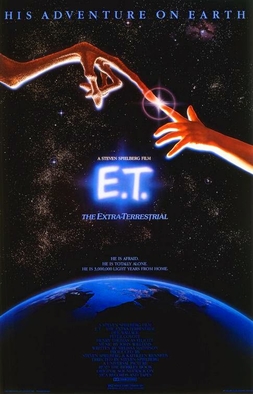
Spielberg returns, but this time with something completely different: the most emotionally resonant alien film ever made.
E.T. might seem like an odd inclusion on a disclosure-focused list – it's essentially a children's film about a boy and his alien friend. But that apparent simplicity masks something profound: a meditation on what benevolent contact might actually look like, and how authorities might respond to it.
For UAP disclosure, E.T. offers a counterpoint to the usual paranoia. What if contact isn't about invasion or threat? What if it's about curiosity, communication, and eventual friendship? The film's portrayal of governmental response – scientific teams descending with their sterile equipment, transforming a suburban home into a quarantine zone – feels remarkably prescient. This is how institutions behave, the film suggests, even when faced with something gentle and curious rather than hostile.
There's also something valuable in E.T.'s emotional core. The Age of Disclosure isn't just about technology or government cover-ups – it's about how we react as individuals to the possibility of non-human intelligence. The fear, the wonder, the sense of connection across species barriers... these emotional responses matter as much as the technical details.
And honestly, after watching congressional hearings and reading dense UAP reports, sometimes you need a film that reminds you that contact could be beautiful rather than terrifying. E.T. does that better than anything else.
These six films won't give you definitive answers about UAP – honestly, at this point, nobody has those. But they'll give you a framework for thinking about disclosure: the governmental responses, the human reactions, the possibilities both wonderful and terrifying.
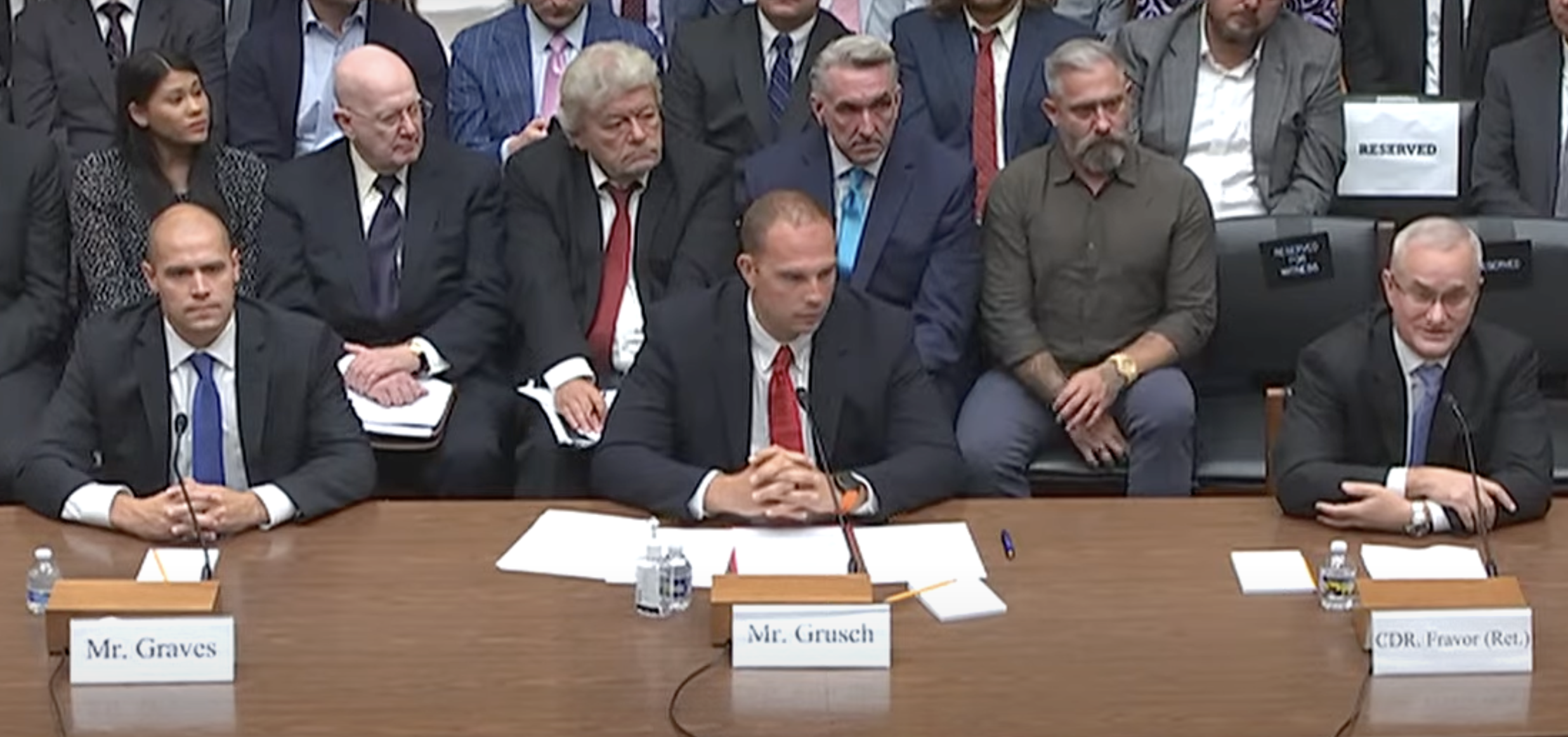
The current UFO disclosure conversation is complex, involving military testimony, Congressional action, and questions that challenge our understanding of reality. These films, despite being fiction, explore themes that are increasingly relevant: How would humanity react? How would governments respond? What would contact actually mean?
"As we navigate The Age of Disclosure, these stories offer valuable perspectives on what might be coming. They're also just bloody good films, which doesn't hurt."
It's worth noting that even directors known for other work are getting involved in the UFO conversation – James Cameron's deep ocean explorations have led many to wonder if he's searching for more than just shipwrecks. And with Spielberg's mysterious new UFO project getting its trailer this month, it seems Hollywood's interest in the subject is only intensifying.
As we navigate The Age of Disclosure – assuming that's genuinely where we're headed – these stories offer valuable perspectives on what might be coming. They're also just bloody good films, which doesn't hurt.
So grab some popcorn, suspend your disbelief, and prepare to consider possibilities that increasingly seem less like science fiction and more like science fact. The truth might not be out there in quite the way these films imagine, but at least you'll be better prepared for whatever is actually going on with all those UAP.